
Stone Benchtops Versus Porcelain
The benchtop decision often gets reduced to a showroom comparison - one slab against another under perfect lighting. But stone benchtops versus porcelain is not a simple matter of which sample looks better on the day. The right choice depends on how you cook, how you clean, how refined you want the detailing to be, and how the benchtop works with the joinery around it.
For design-led kitchens, laundries and bathrooms, benchtops are not just finishes. They shape the visual weight of the room, the durability of daily use and the quality of the final detailing. That is why this material decision deserves more than a sales pitch.
Stone benchtops versus porcelain in real homes
When clients compare these two surfaces, they are usually deciding between engineered stone or natural stone on one side, and large-format porcelain on the other. Each can look highly resolved in a well-designed interior. Each also comes with limitations that are often glossed over by suppliers focused on a quick close.
Stone has long been the default for premium kitchens because it offers substance, familiarity and a broad range of colours and patterns. It suits many joinery styles, from pared-back contemporary kitchens to more layered interiors with stronger material contrast. Porcelain, by contrast, has gained ground because it is thin, technically advanced and visually sharp. It appeals to clients who want crisp detailing and a more architectural feel.
Neither is automatically superior. The better question is what kind of outcome you are trying to achieve.
How they differ in appearance and design effect
Stone tends to read as more solid and grounded. Even when engineered stone is used in lighter tones, it usually gives a kitchen visual weight. That can be a real advantage in larger spaces where the island needs presence, or in homes where the joinery is deliberately restrained and the benchtop carries much of the character.
Natural stone adds even more individuality. Veining, tonal movement and variation can create a richer result than many manufactured surfaces. The trade-off is that natural material is less predictable. For some clients that is the appeal. For others, especially those wanting strict visual consistency across waterfall ends, splashbacks and adjacent joinery, it can be a source of hesitation.
Porcelain presents differently. It is often cleaner, finer and more controlled in appearance. Because it can be fabricated in slim profiles, it suits kitchens where the intention is precision rather than mass. If you are after a minimal, contemporary look with thin shadow lines and a lighter visual footprint, porcelain can be very effective.
That said, the best porcelain installations depend heavily on detailing. Edge build-ups, mitred returns and substrate requirements need to be handled properly or the final result can feel more manufactured than refined. This is where design and fabrication quality matter far more than brochures suggest.
Thickness changes the whole look
A 20mm or 40mm stone benchtop can anchor a room and give cabinetry a sense of permanence. A 12mm porcelain surface can feel elegant and highly contemporary, but it will not create the same visual weight. That difference is not minor. It affects how the entire kitchen is perceived.
In some homes, a thicker stone top is exactly right. In others, particularly where the architecture is quiet and modern, a thinner porcelain profile may be the stronger design move.
Durability is not one single category
Clients often ask which material is more durable, but durability needs to be broken down properly. Heat resistance, scratch resistance, stain resistance, chip resistance and repairability are not the same thing.
Porcelain performs very well with heat, UV stability and staining. It is non-porous, making it practical for busy households and low-maintenance bathrooms. It is also resistant to many of the issues that concern owners using heavily pigmented foods, oils or cosmetics.
Stone performs well too, but its exact behaviour depends on the type. Natural stones vary widely. Some marbles etch and stain more easily. Some granites are tougher. Engineered stone has traditionally been popular for its consistency and resistance, though product specifications differ and current market changes around silica have made material selection more considered than it once was.
Where porcelain can be vulnerable is chipping on edges, especially in high-impact areas or where detailing is poor. Stone can chip as well, but many clients perceive thicker stone edges as more forgiving in everyday use. Porcelain is hard, but that does not mean it is indestructible.
Repairs and long-term wear
If a stone benchtop is damaged, some issues can be repaired or at least improved depending on the material and extent of the damage. Porcelain repairs are typically less forgiving and may remain more visible. This matters in family homes, investment-conscious renovations and kitchens where heavy cookware sees regular use.
A material that looks technically superior on paper is not always the easiest to live with over ten or fifteen years.
Practical performance in kitchens, bathrooms and laundries
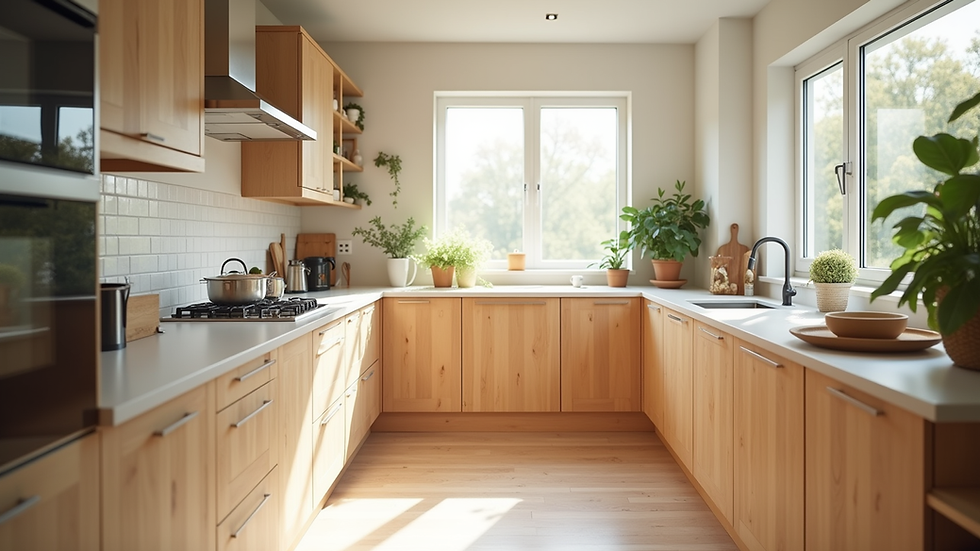
In kitchens, cooking habits matter. If you routinely place hot trays down, porcelain has an advantage. If you want a thicker island profile with undermounted sink detailing and a substantial edge, stone may offer more flexibility depending on the exact product and fabricator.
In bathrooms, porcelain is often compelling because it is stable, stain resistant and can work beautifully across vanity tops, wall surfaces and shower linings. It allows a more continuous and architectural material treatment. Stone can be excellent here as well, especially where warmth and natural variation are central to the design, but maintenance expectations need to be realistic.
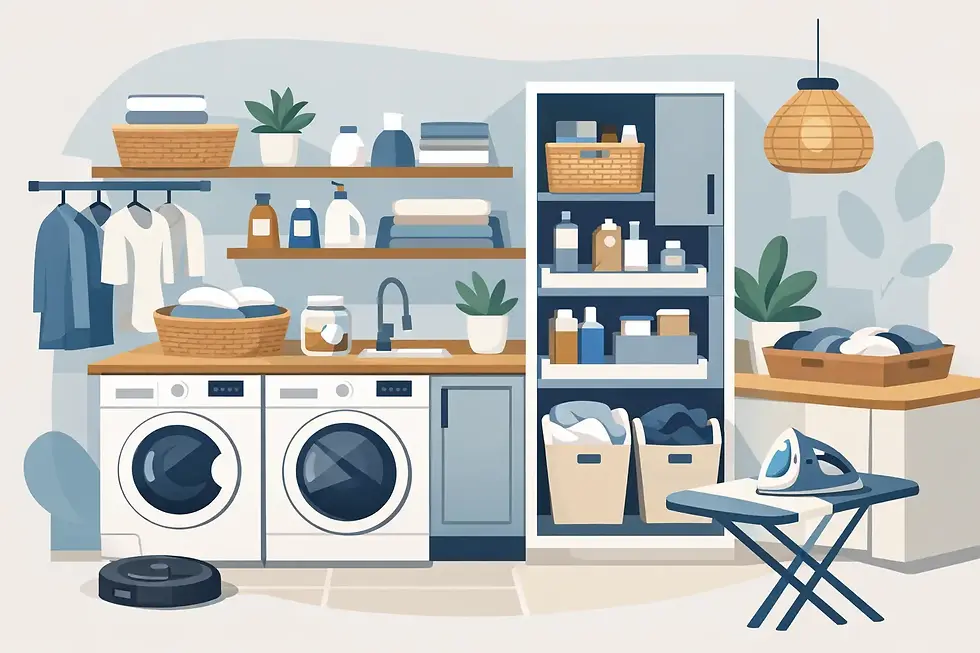
In laundries, the choice is usually more straightforward. Porcelain makes sense when practicality and easy cleaning are the priority. Stone remains attractive where the laundry is integrated into a broader interior language and needs to match adjacent kitchen or mudroom finishes.
Cost is more nuanced than many expect
There is no universal rule that porcelain is cheaper or that stone is more expensive. Costs depend on slab selection, thickness, fabrication complexity, edge treatment, cut-outs, availability and installer capability.
Porcelain can appear economical at first, particularly in thinner formats, but the fabrication can be highly specialised. Mitred edges, integrated details and careful handling can push pricing up. Stone can also escalate quickly, especially if you select premium natural slabs with pronounced veining or require extensive bookmatching and careful slab planning.
This is one reason design guidance matters. Materials should not be chosen in isolation. The better approach is to assess where the budget is best spent for the overall result. Sometimes the right answer is a premium benchtop paired with calmer joinery. Sometimes the smarter move is a more restrained surface so the layout, storage planning and cabinetry detailing can carry the project.
The installation and detailing question
A benchtop is only as good as the design and fabrication decisions behind it. This is where many projects lose quality. Clients are shown appealing samples, then end up with corners, junctions and edges that were never properly considered.
With stone, slab layout is critical. Veining direction, joins and waterfall transitions need to be planned early. With porcelain, edge build-ups, mitres, substrate preparation and handling are even more exacting. A poor installer can make an expensive porcelain selection look thin and contrived.
This is why benchtop selection should sit within the broader design process, not be outsourced as an afterthought. The surface has to work with appliance clearances, overhangs, sink selections, cabinetry tolerances and the visual language of the whole room.
Which one suits your project?
If you want warmth, substance and a more grounded material presence, stone is often the stronger choice. It suits kitchens where the benchtop should feel integral and enduring rather than visually light. It also works well when the design calls for richer pattern, stronger mass or a more classic sense of permanence.
If you want clean lines, minimal thickness and high resistance to heat and staining, porcelain may be the better fit. It suits contemporary interiors particularly well and can be excellent in projects where the detailing is crisp and the material palette is tightly controlled.
The real issue is not whether stone or porcelain is broadly better. It is whether the material is right for your layout, your household and the design intent of the room. In a well-resolved interior, that decision is never based on trend alone.
At 5 Rooms, we see the best outcomes when benchtop selection is treated as part of the design architecture of the space, not just the finish schedule. Materials matter, but proportion, detailing and use matter just as much.
Choose the surface that supports the way you live and the kind of room you are trying to create. A benchtop should do more than survive daily use. It should make the whole space feel resolved.


Comments